Our Top Five Activities that Help with Color Identification
- One Happy Resource

- Sep 13, 2020
- 3 min read

Since I was a little girl, I knew one day I wanted to become a great mom. It continues to be a goal of mine. Some days I feel like I do well and other days I feel like I want to try the whole day over. A question I often ask myself is, "When?". "When should I teach her _ or when should she be able to _?
This particular activity was developed the moment I asked myself, "When should I teach her about colors?". Zoe is 17 months old right now and can say "blueberries". They currently are her favorite fruit. She also enjoys coloring in coloring books, water pen mats, and...her learning table. She basically colors anything she is allowed to color and some things she isn't. With that in mind, I thought it wouldn't hurt to start identifying colors.
Here are five fun and engaging activities you can do with your little one(s) to develop an understanding of colors:
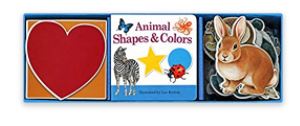
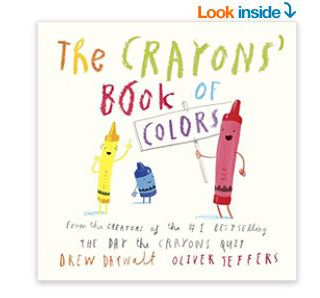
1. READ BOOKS: Honestly, any book with color can be used. When reading, point to familiar objects and state its color (i.e. "This is a red car" or "Find the red car"). There are also books that are made to teach about colors. Some of the ones we've used are:



2. SORTING MATS: I created sorting mats that we are currently using. It helps with not only color identification, but also fine motor due to velcro attachments and coloring. You can access these sorting mats at: https://www.teacherspayteachers.com/Product/Color-Identifying-and-fine-motor-Activities-and-Sort-6023085
When sorting, we identified the images and the colors used. With this activity, there are two options:
1. Print off the colored copies and laminate to reuse
2. Print the black and white sheets and have your child color the objects
We did both so you could see what they looked like. To start, I introduced only one color. We started with blue. Then, I plan on adding two extra objects (not blue) and have her pick out only the blue ones so she can practice differentiating between colors. Eventually, she will be able to complete all of the sorting mats.
I encourage everyone to come up with a learning goal and display it (even if the child cannot read it). When the goal is displayed, it holds others accountable by reminding us that we can incorporate the goal in our everyday life. I also like to display Zoe's accomplishments for all to see to support motivation and hard work.







3. SCAVENGER HUNT: This is our favorite! Anytime we can learn outside is fun for Zoe and almost every child. When I taught at a public school, I tried to get the kids outside to learn as much as possible. There is something about fresh air and a change of scenery that does us all some good. For this activity, Zoe and I went to a park and looked for everything blue since that was related to our learning goal. She was able to find blue objects. This allowed her to generalize the learned skill. Since then, I have heard her spot blue items throughout the day without any prompting--that's how I knew my lesson worked! I felt like a proud mom/teacher.


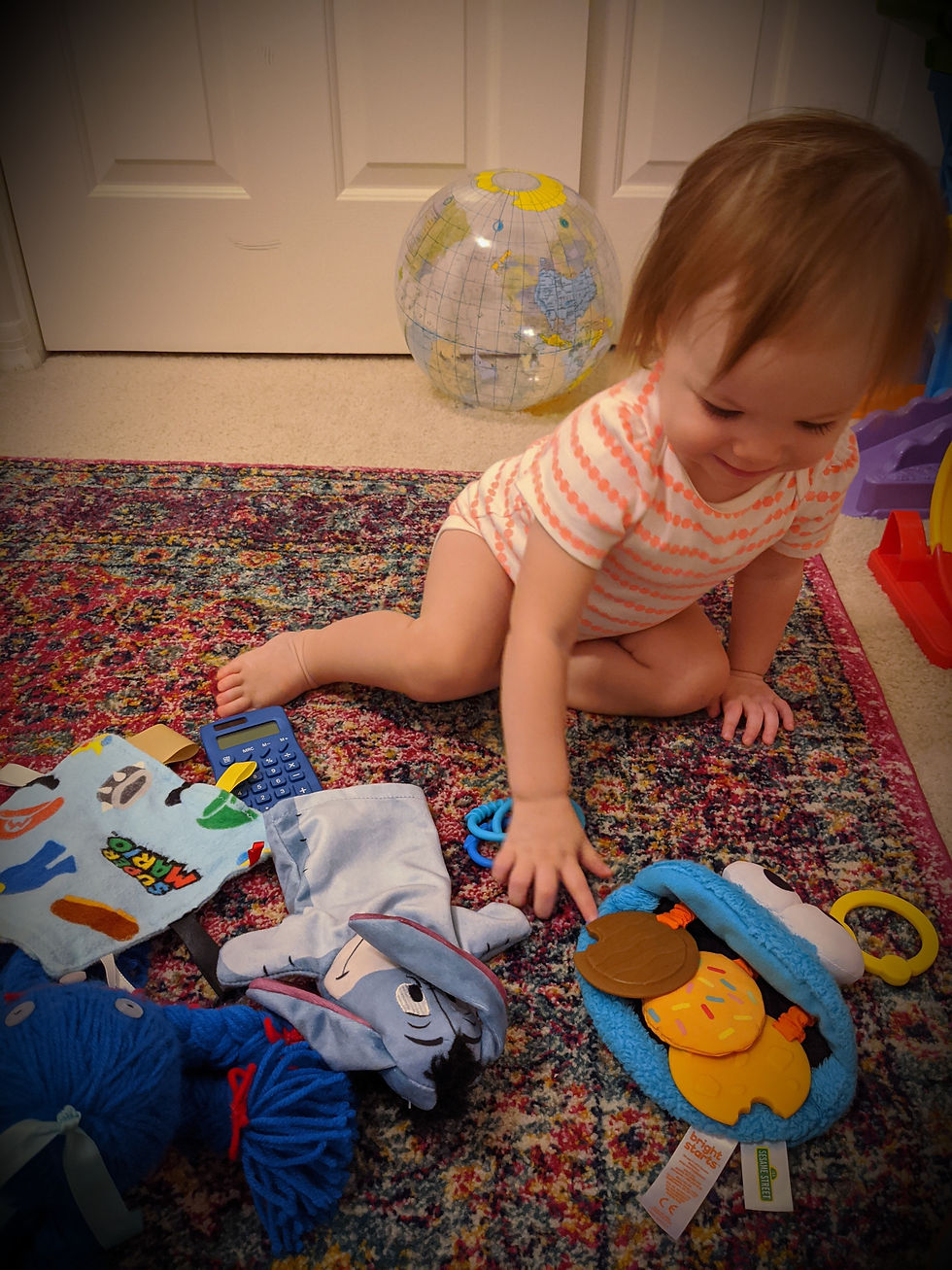
Can't get outside? No worries! Hold an indoor scavenger hunt:
4. COLORING ACTIVITIES: When we moved to Arizona, we discovered this amazing place called, Crayola Experience! Unfortunately, the only experience we have had so far is shopping in the store due to COVID. While we were there, we found these wonderfully scented crayons. We also picked up some of the big crayons since Zoe has not learned the tripod grip yet. Eventually, we will be using markers, colored pencils, chalk, and paint. As far as what to color, we use coloring books, color mats, printer paper, scrapbook paper, cardboard, etc. At this point, Zoe is able to draw scribbles but it is still beneficial to model drawing objects and verbalizing information about what is being drawn.
5. COLOR HOP: Using construction paper, tape the paper onto the floor and have your child hop on the color you choose or roll (if you have a color dice). This gets your child moving. Here are some other variations to this activity:
1. Race to the colored spots
2. Have your child perform a different action (i.e. run, walk, crawl, etc.) to the spot
3. Let your child choose the color
4. Use a spinner to choose the color
There are so many more activities you can do to teach colors. If you would like more ideas, have any questions or suggestions, feel free to leave a comment! I hope this was helpful and fun for you and the child/children in your life.


Comments